


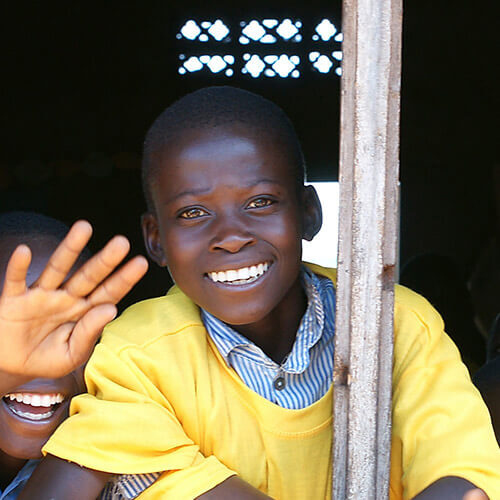
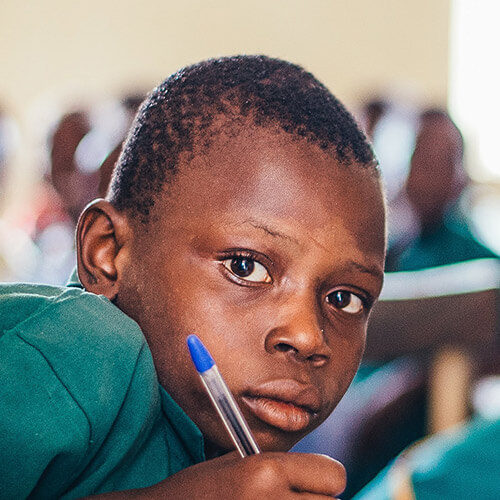
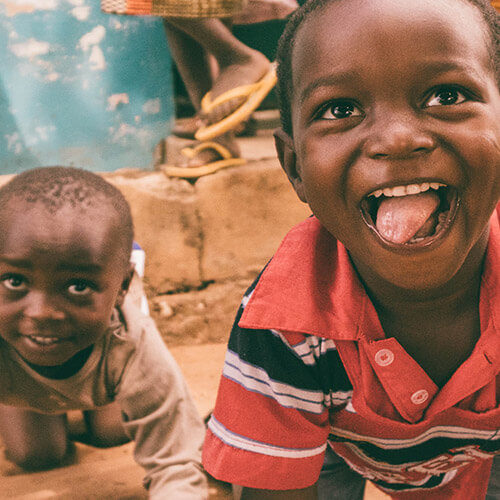
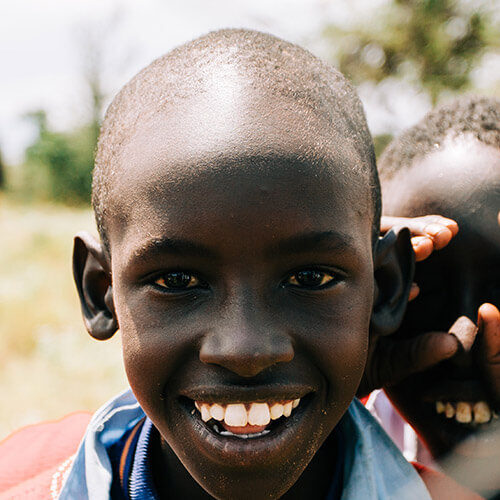
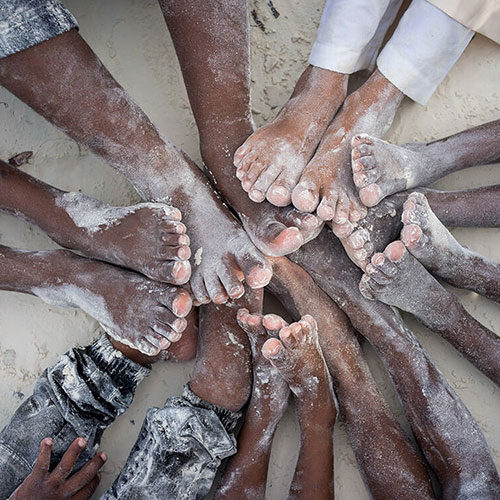
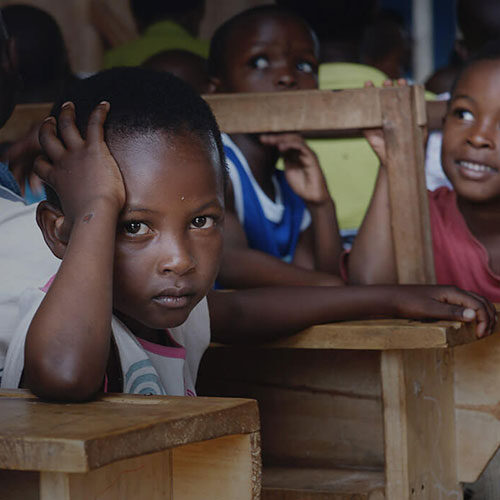
Three years ago, conflict swept across Sudan, abruptly disrupting education across much of the country. Today, more than 8 million children and youth, representing over half of the school-aged population, remain out of school. Out-of-school rates are the highest in regions such as Darfur, where the crisis is most severe. Millions of children and youth havehad their education interrupted—by crisis, not by choice.
In a context of widespread displacement and acute resource constraints, the scale of the crisis made it clear that no single actor could deliver an effective response alone.
Education partners came together around a shared vision: to respond to immediate needs while laying the foundations for long-term recovery and resilience. Through Sudan’s local education group (LEG) and the Education Cluster, humanitarian and development partners, state education authorities, civil society organizations, donors, teachers, communities, and parents aligned priorities and coordinated efforts.
With technical leadership from UNESCO and financial support from the Global Partnership for Education (GPE), this collective approach established a coherent and effective path forward, enhancing joint coordination and harmonizing decision-making for education priorities across humanitarian and development responses in Sudan.