
10th anniversary of the UNESCO Prize for Girls’ and Women’s Education
The UNESCO Prize for Girls’ and Women’s Education laureates are agents of change worldwide.



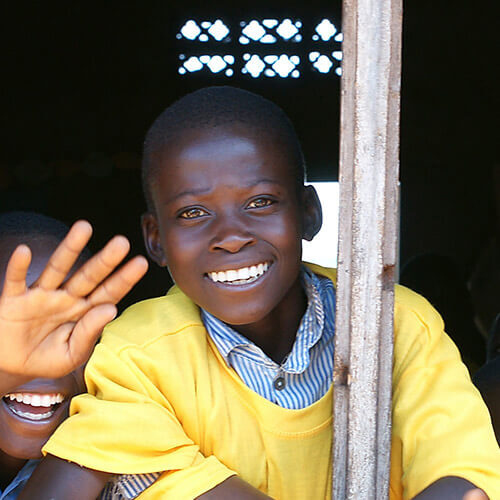
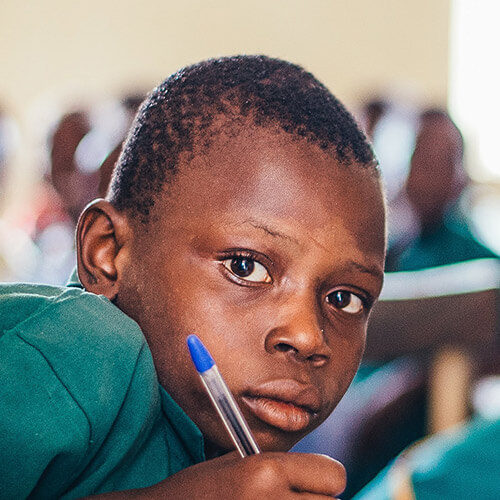
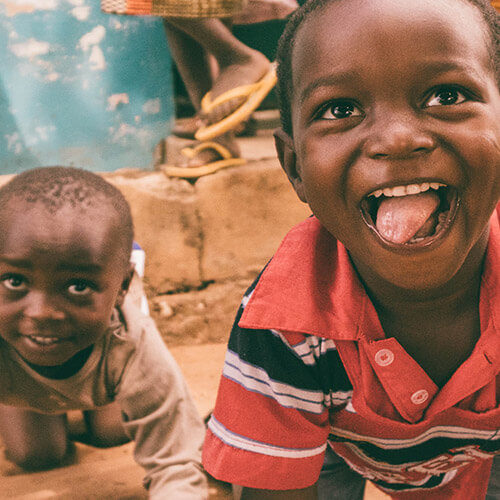
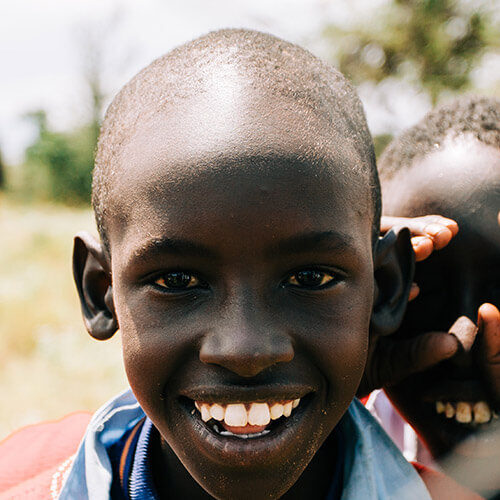
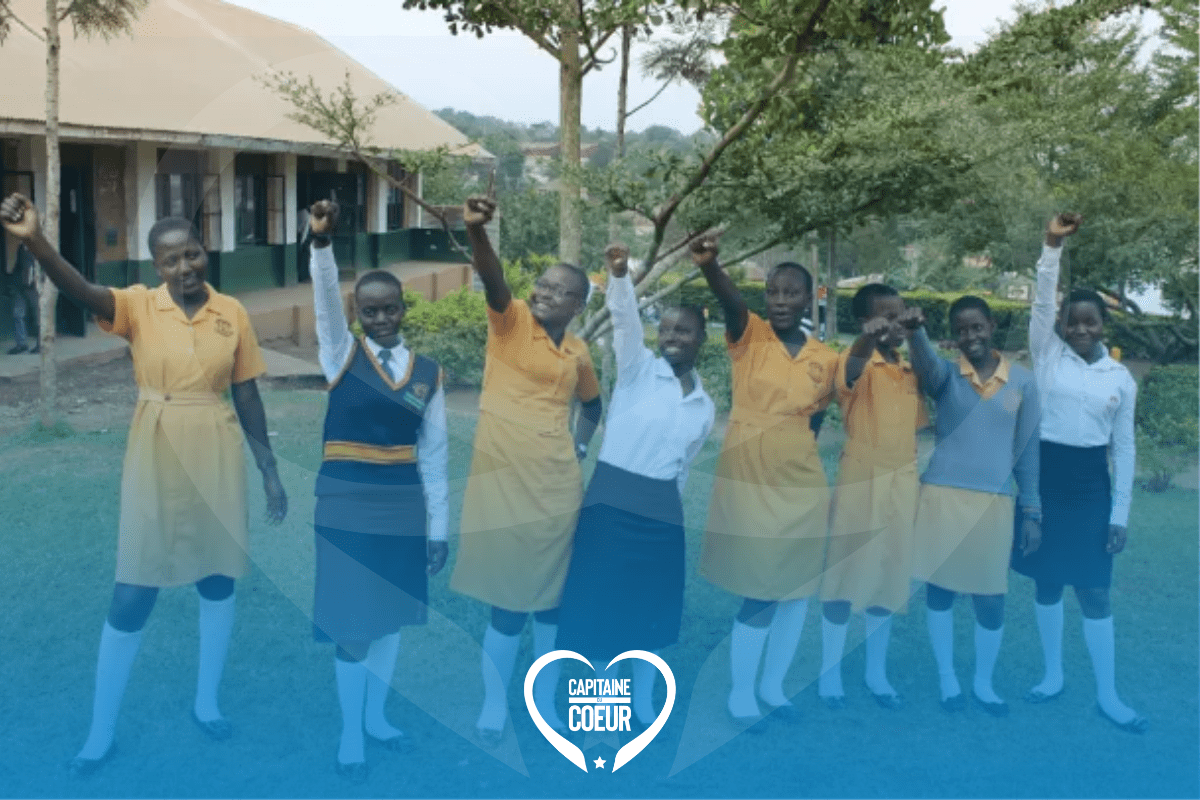
The UNESCO Prize for Girls’ and Women’s Education laureates are agents of change worldwide.
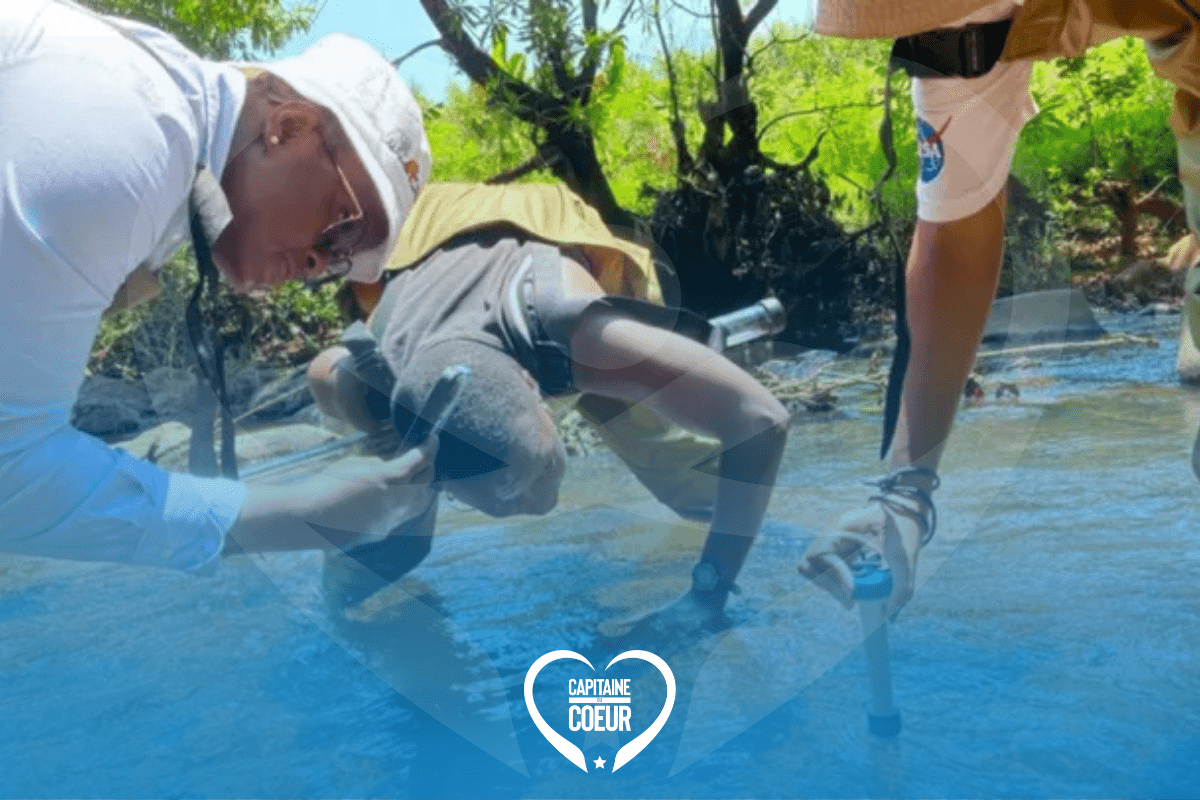
Following UNESCO’s designation of 26 new biosphere reserves – marking the largest expansion of the World Network of Biosphere Reserves in 20 years – projects such as BeResilient in the Vhembe Biosphere Reserve, South Africa, highlight the importance of strengthening humanity’s relationship with nature and combining traditional knowledge with science.
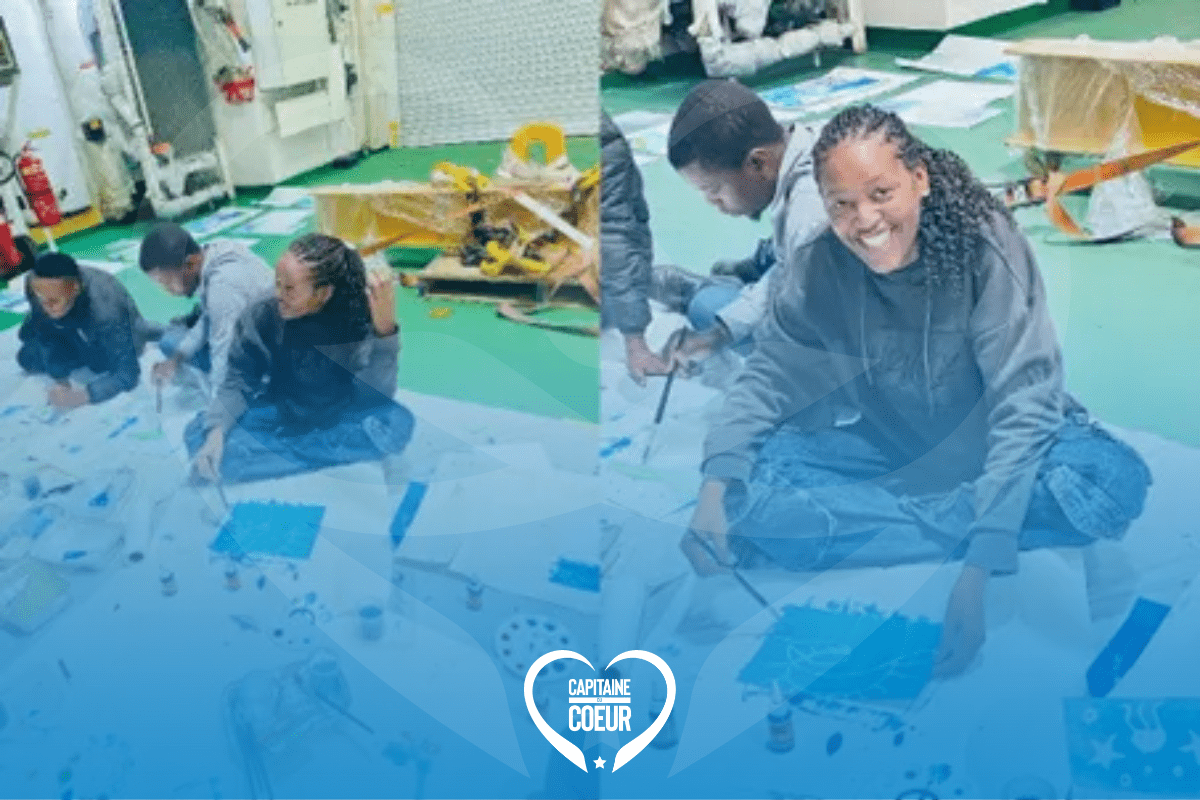
For years, UNESCO’s Intergovernmental Oceanographic Sub-Commission for Africa and Adjacent Island States (IOCAFRICA) and the South African government have worked hand in hand to advance ocean science, education, and sustainable development on the continent.

The United Nations World Food Programme (WFP) has received a €9 million contribution from the European Union (EU) to launch an innovative three-year project aimed at reducing biodiversity loss and improving the quality of life for communities living in and around protected areas in Sierra Leone.

Kalidou Koulibaly is investing in his native country by inaugurating his “Mbarodi” football academy in Ngaparou, Senegal.
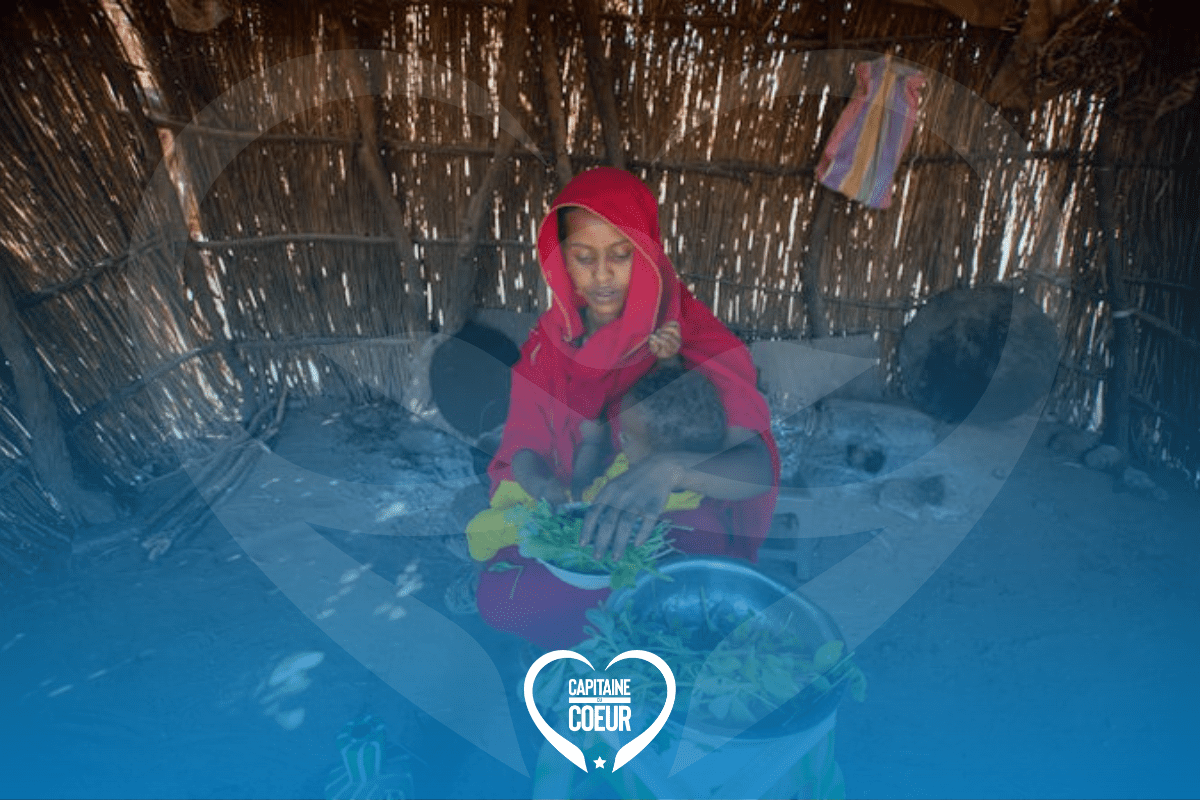
Through the “No Time to Lose” program, funded by the Dutch government, more than 500 mothers have joined the mothers’ support group, where they receive information on nutrition, hygiene, and other key topics.
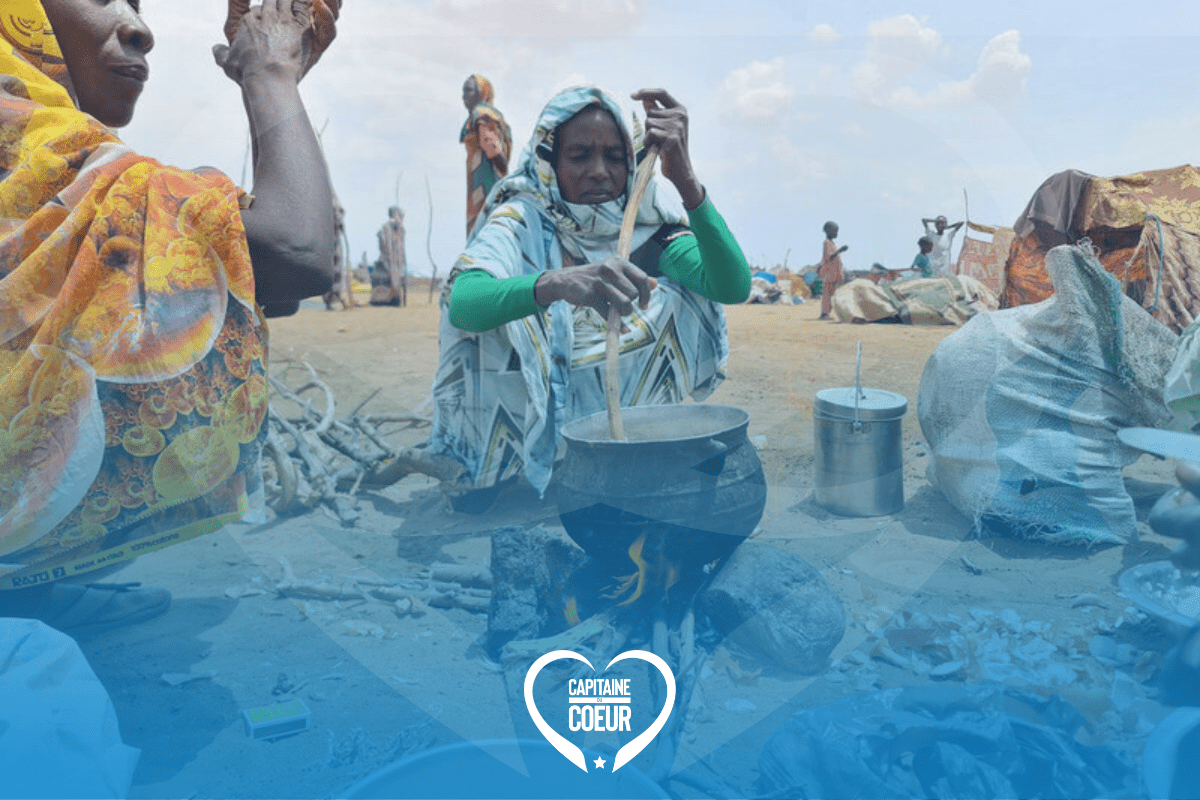
The population of El Fasher is threatened by famine, and humanitarian needs continue to grow as access to the besieged city remains blocked despite WFP’s intervention throughout Sudan.
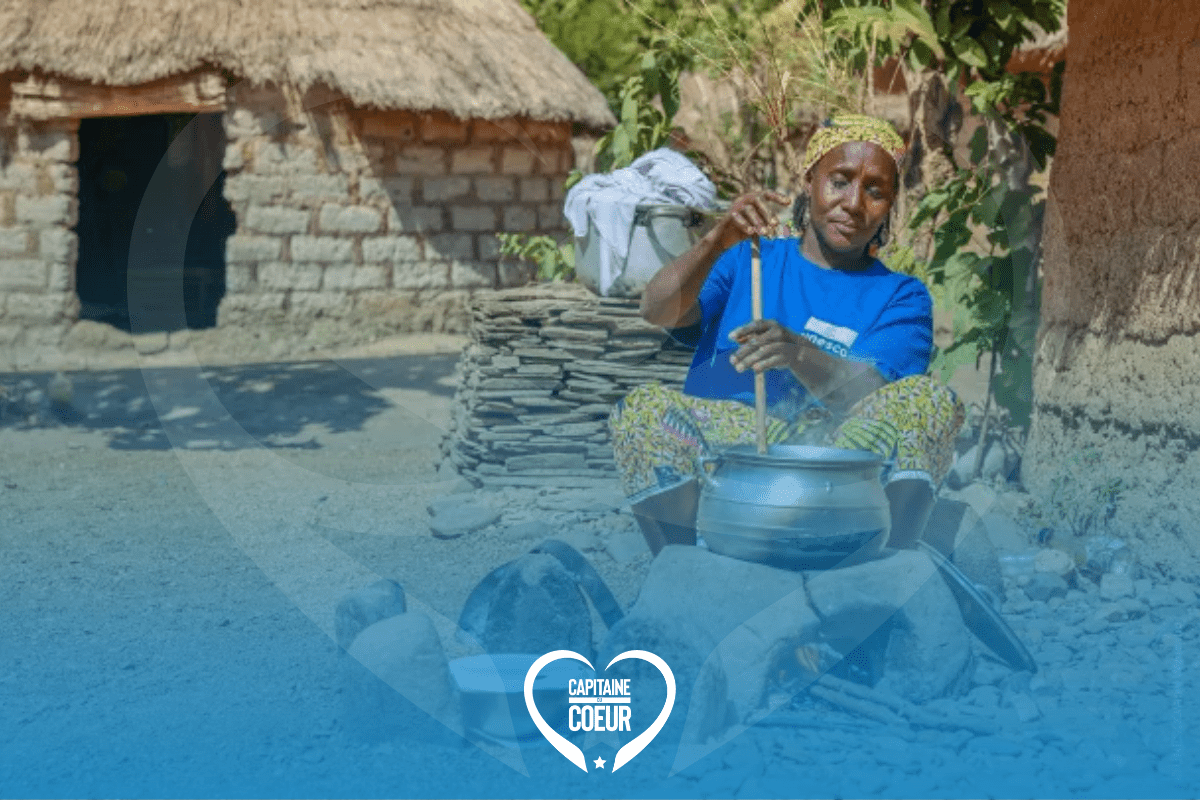
In northern Cameroon, where sunset once meant total darkness, solar energy is now illuminating the path to security, education, and hope.

This initiative originated with the United Nations, which established this holiday through Resolution 65/275 to promote a culture of peace among peoples.
The UNESCO World Heritage Committee, meeting in Paris, France, decided to remove three properties located in Madagascar, Egypt, and Libya from the List of World Heritage in Danger.