


logotype

our future

get in touch!

Résidence Ébène, Sacré-Coeur 1
Dakar, Sénégal

contact@capitaineducoeur.org

+221 77 441 31 19

Category: NEWS ENG

Disability Equality

Promoting Disability Equality in African Media

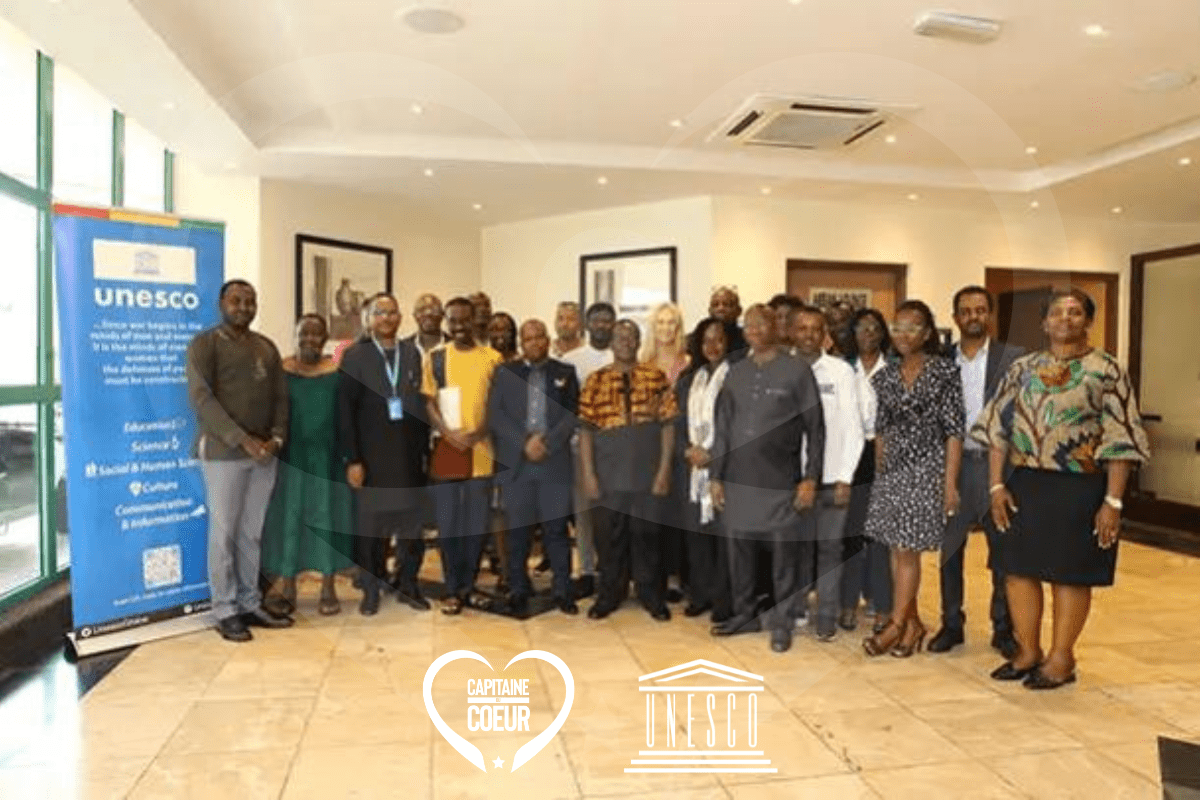
UNESCO promotes disability equality in African media by collaborating with broadcast executives, community media, media associations and regulators ahead of the 3rd African Media Convention in Accra, Ghana.

green education (5)

Africa Week 2024: Women for peace

The story of three African women inspiring the future generation of peacekeepers

kk champions

Kalidou wins the Title with Al-Hilal

Al-Hilal became champions of the Saudi Pro League for the nineteenth time in their history.

green education (3)

World Press Freedom Day

A Press for the Planet: Journalism in the face of the environmental crisis

green education (4)

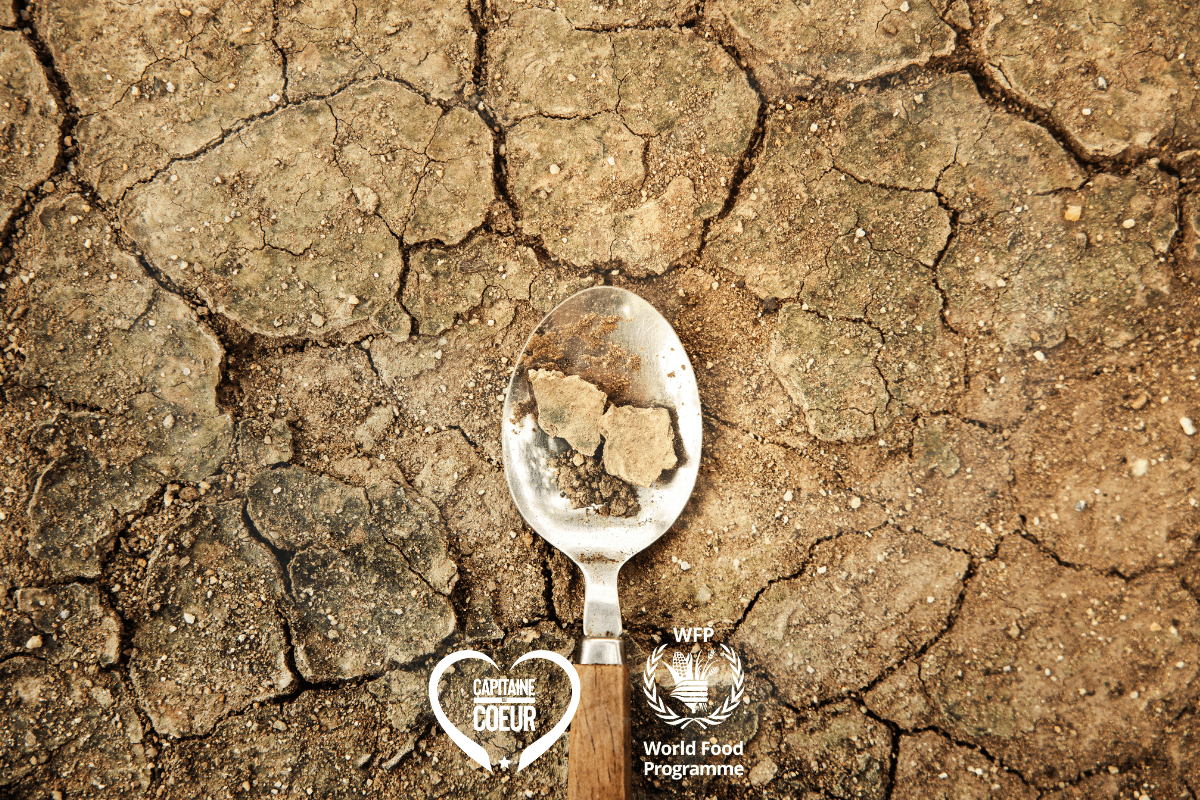
Global Report on Food Crises

Acute hunger remains persistently high in 59 countries with 1-in-5 people assessed in need of critical urgent action.

green education (2)

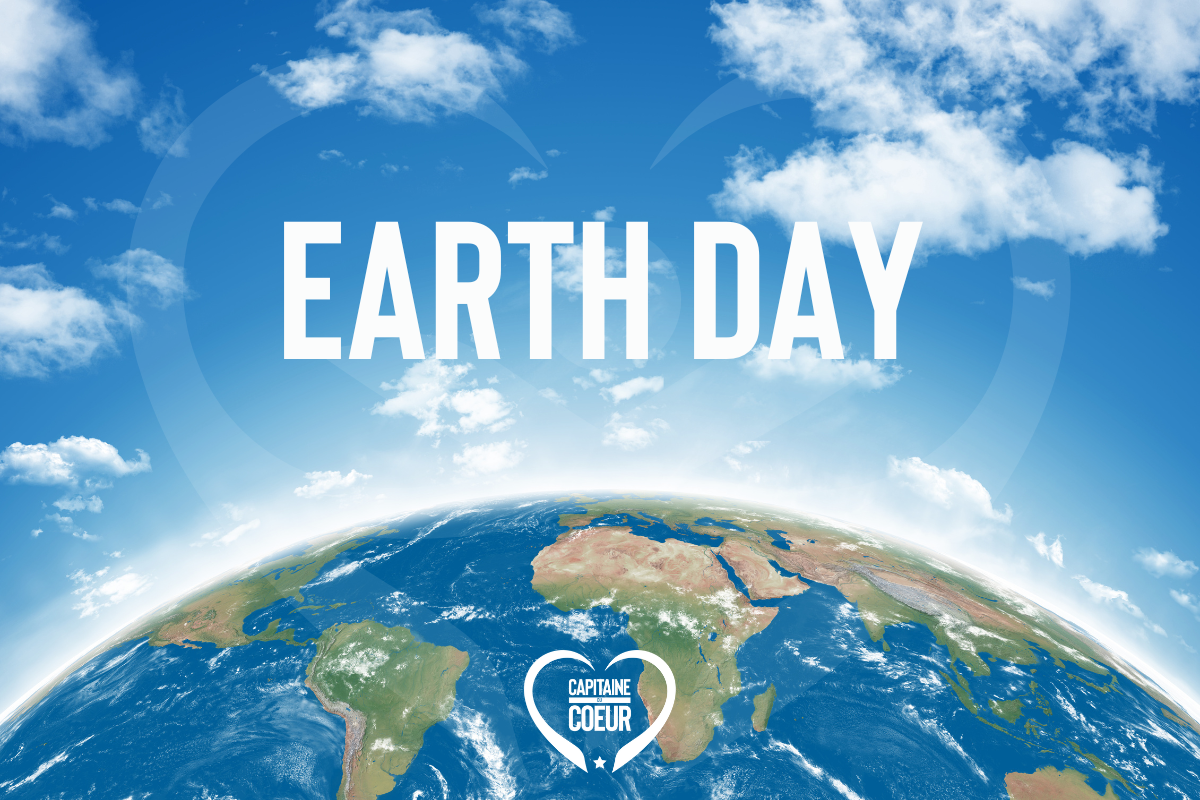
Earth Day

Earth Day is an annual celebration that honors the achievements of the environmental movement and raises awareness of the need to protect Earth’s natural resources for future generations.

education

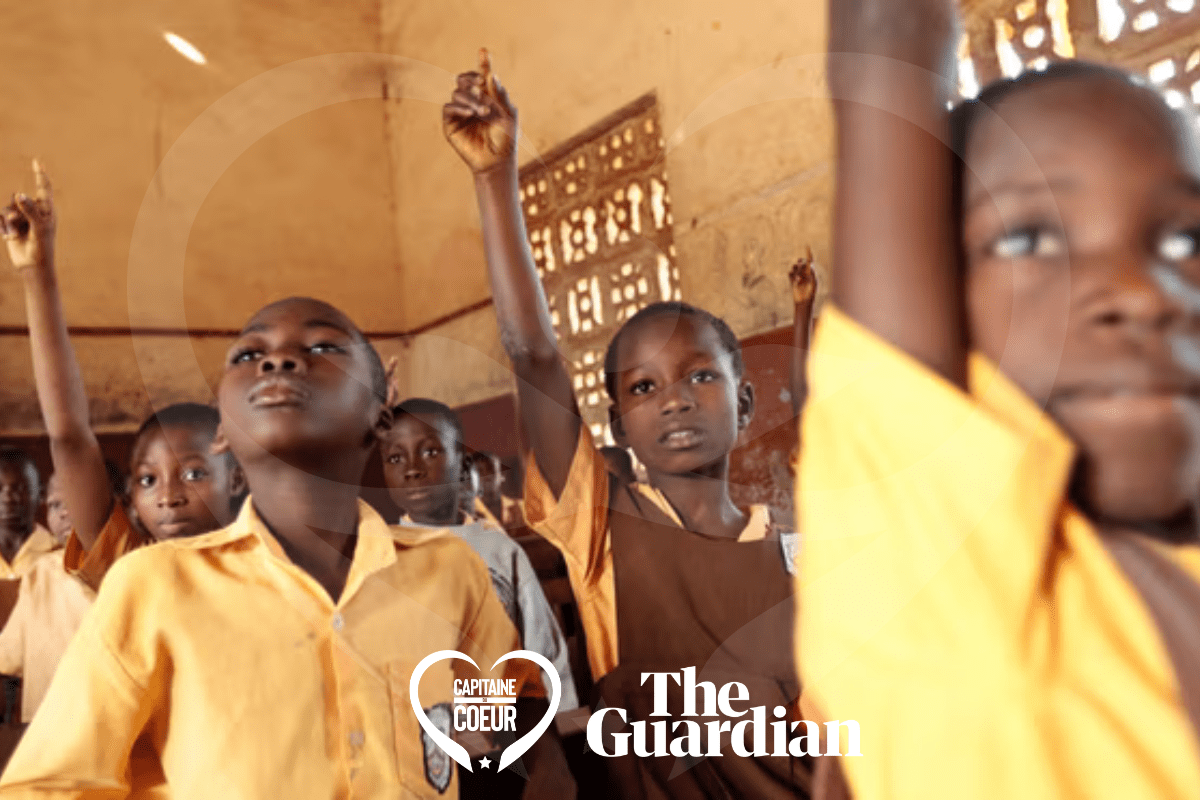
Africa is the world’s youngest continent: education is key

With 40% of all Africans aged under 15, smarter funding for schools can help young Africans fuel a colossal powerhouse

green education

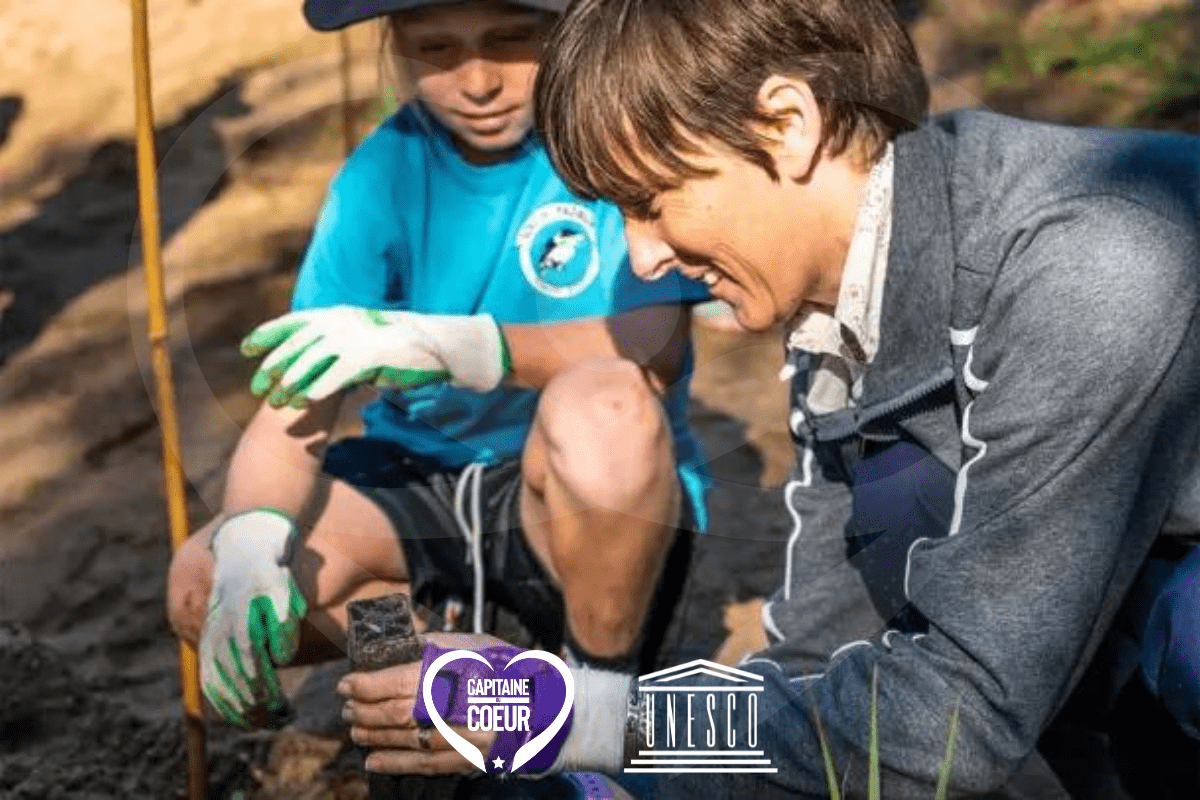
At the Forest School: Grey Coupland’s Miyawaki forest revolution

In Perth’s quiet suburb of Padbury, Western Australia, Environmental Researcher Grey Coupland is giving rise to a green transformation, one school at a time, by planting Miyawaki forests.

school feeding (4)

WFP supports Namibia’s effort to ensure food self sufficiency

The Republic of Namibia has achieved high food self-sufficiency levels, thanks to sustained output from smallholder and large-scale farmers and WFP’s support for end-to-end food systems in Namibia.

school feeding (3)

Water day in pictures: WFP acts for people facing hunger

Climate shocks and land degradation mean too much or too little water for people in some of the world’s most vulnerable places